
Getting a donation feels like a win. And it is. But the real work begins after the gift is made.
Many nonprofits focus heavily on acquisition—campaigns, events, and appeals—only to lose touch with donors once the transaction is complete. According to research from Fundraising Effectiveness Project, donor retention rates often hover around 40–45% for many organizations. That means more than half of donors never give again.
Donor engagement is what bridges that gap. It transforms a one-time supporter into a long-term advocate, volunteer, or recurring donor. And the good news? You don’t need complex systems or massive budgets to make it happen. Here are three simple, effective retention tips that keep donors connected, inspired, and ready to support your mission again.
1. Say Thank You Like You Mean It
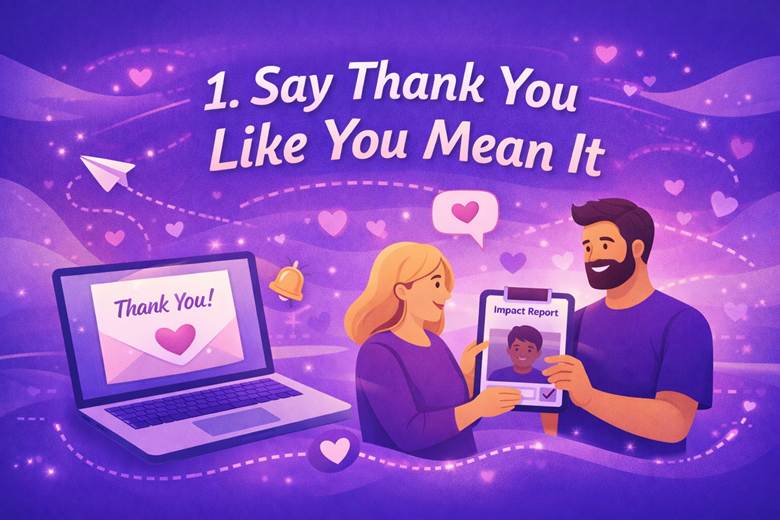
Your thank-you message is more than a receipt—it’s the first step in a relationship.
Too many nonprofits send automated, generic confirmations that feel transactional. But a thoughtful thank-you builds emotional connection and reinforces the impact of the gift.
What a strong thank-you looks like
- Sent within 24–48 hours
- Personalized with the donor’s name
- Mentions the specific campaign or cause
- Shows the impact of their contribution
For example, instead of:
“Thank you for your donation.”
Try:
“Your gift today will help provide 10 meals to families in our community this week.”
Organizations like charity: water are known for their powerful donor communications. They send personalized updates, photos, and even GPS coordinates of funded projects—turning a simple thank-you into an ongoing story.
For more on crafting meaningful thank-you messages, check out this guide from .
2. Tell the Story of Their Impact
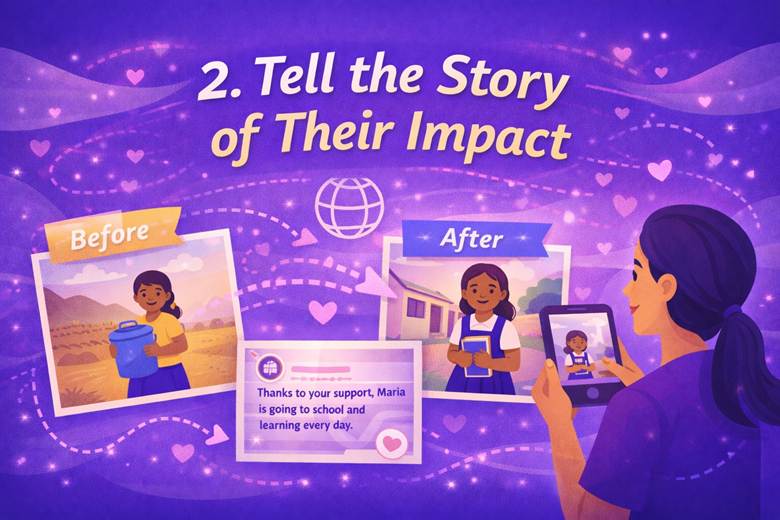
Donors don’t just give to organizations—they give to outcomes. If they don’t see what happened next, the connection fades quickly.
Consistent storytelling keeps donors emotionally invested in your mission.
What to share after a donation
- Progress updates from the field
- Short beneficiary stories
- Before-and-after visuals
- Milestones and results
For example, instead of sending a quarterly report packed with numbers, share a short story:
“Because of supporters like you, Maria now attends school every day. Last year, she walked three miles for clean water. Today, she spends that time learning to read.”
Platforms and tools that enable ongoing communication and storytelling—like TheGoodSocial—help nonprofits create spaces where donors can see updates, stories, and community conversations in real time.
Research from Classy shows that donors who receive regular impact updates are significantly more likely to give again. You can explore their insights here:
3. Invite Donors Into a Community
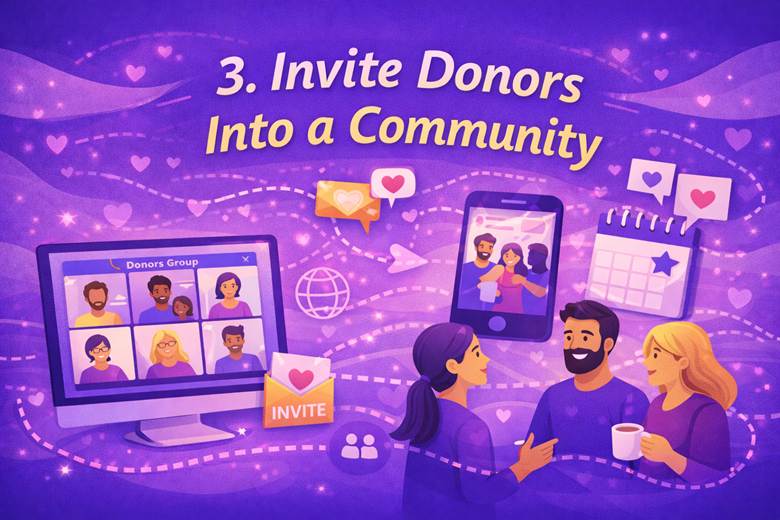
Engagement isn’t just about emails—it’s about belonging.
When donors feel like part of a community, they’re far more likely to stay connected. This sense of belonging can come from events, online discussions, volunteer opportunities, or social platforms built specifically for mission-driven interactions.
Simple ways to build donor community
- Create a donor-only newsletter or group
- Invite them to virtual events or Q&As
- Highlight donor stories on social media
- Offer behind-the-scenes content
For example, many environmental nonprofits host monthly virtual briefings where donors can hear directly from field teams. These moments build trust and transparency.
Digital communities are especially powerful. According to Hootsuite, brands and nonprofits that actively engage with their audiences online see stronger loyalty and long-term support.
Read more:
When donors can interact with stories, updates, and other supporters in one place—like a social platform built for nonprofits—they feel like participants, not just contributors.
What a Simple Donor Engagement Timeline Can Look Like
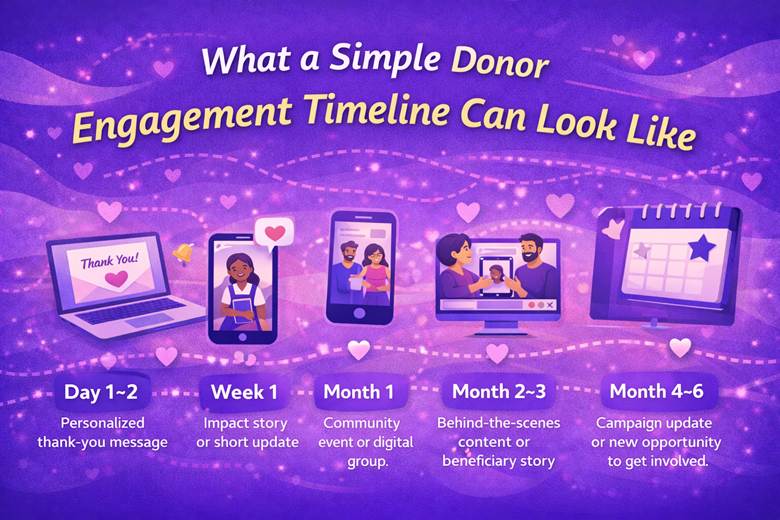
A basic post-donation engagement plan might look like this:
Day 1–2:
Personalized thank-you message
Week 1:
Impact story or short update
Month 1:
Invitation to community event or digital group
Month 2–3:
Behind-the-scenes content or beneficiary story
Month 4–6:
Campaign update or new opportunity to get involved
This simple timeline keeps communication consistent without overwhelming your team—or your donors.
Small Actions, Big Retention Results
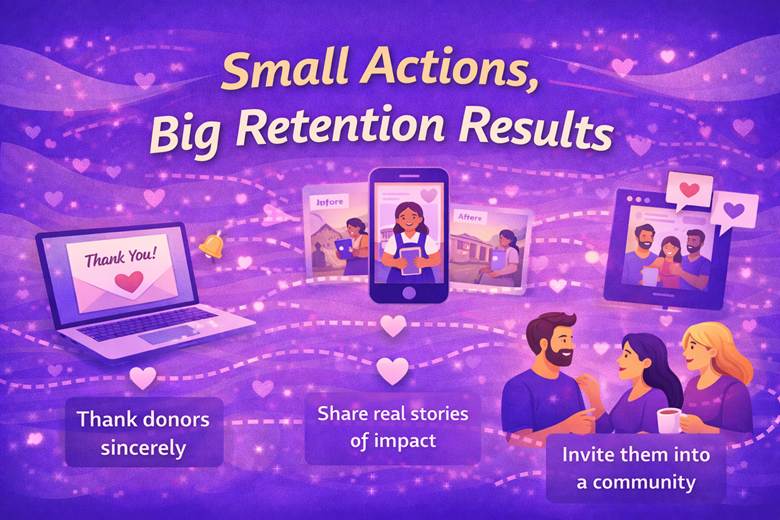
Donor engagement doesn’t require complex automation or expensive campaigns. It’s about consistent, meaningful touchpoints.
When you:
- Thank donors sincerely
- Share real stories of impact
- Invite them into a community
…you transform one-time gifts into long-term relationships.
And those relationships are the foundation of sustainable nonprofit growth.
If you’re looking for more strategies, insights, and storytelling ideas, explore the latest articles at:
https://blog.thegoodsocial.net
Or discover how a dedicated social platform can help your organization build deeper donor relationships at:
https://thegoodsocial.ai
Further Reading
- https://www.classy.org/blog/donor-retention/
- https://blog.hubspot.com/marketing/nonprofit-marketing
- https://www.hootsuite.com/resources/social-media-for-nonprofits
Donor engagement doesn’t have to be complicated—it just has to be intentional.
Visit blog.thegoodsocial.net for more nonprofit growth insights, storytelling tips, and retention strategies.
And explore thegoodsocial.ai to see how a social platform designed for nonprofits can help you connect with donors in more meaningful ways.